
Let's name what's actually happening
Physical disconnection during sex isn't laziness. It isn't a personal failing. It's what therapists call dissociation, and it shows up as feeling present but absent at the same time. Your body is there. Your partner is there. But you're watching from somewhere behind your own eyes, numb to the touch, unable to feel pleasure that should feel good.
It happens for a lot of reasons. Stress. Relationship tension. Trauma that lives in your nervous system. Sometimes grief just moves in and won't leave. The point isn't always to know why it started. The point is getting back into your body so you can feel again.
Why numbness during sex is a real physiological thing
Here's the thing nobody tells you: dissociation during intimacy isn't psychological only. Your nervous system is involved. When you're chronically stressed or carrying unresolved tension with a partner, your body literally deprioritizes sensation. Blood flow shifts. Neural pathways that register pleasure quiet down. You become harder to arouse because your nervous system is in mild shutdown mode.
Your brain is trying to protect you. Which is useful if you're in danger. It's less useful if you're just stuck in a relationship pattern that feels unsafe, or if you're carrying stress from work into the bedroom, or if there's been a rupture with your partner that you haven't fully repaired.
The good news: this is reversible. You don't need to wait for the stress to disappear first. You can rewire sensation while you're in it.
How lemon vibrators bring you back online
Lemon sexual toys work differently than hand stimulation when you're dissociated. Here's why that matters.
When you're numb, your brain isn't sending clear signals to your genitals. It's like the volume is turned down on every sensation. A partner's hand or mouth provides variable pressure, rhythm, and intensity. That can feel nice, but if you're already disconnected, it's easy to stay disconnected. Your body doesn't have enough consistent input to wake up the nerves and pull focus back.
Clitoral vibrators, especially lemon clitoral vibrators, deliver consistent, rhythmic stimulation that your nervous system can't ignore. The vibration cuts through the numbness because it's giving your body one specific, clear signal to pay attention to. It's not demanding an emotional response. It's just asking your nervous system to wake up to sensation.
Many of my clients find that a lemon vibrator is where they first feel something real again. Not necessarily pleasure at first. Sometimes just awareness. "I felt that." Awareness comes before pleasure.
Starting from actually zero sensation
If you're coming to this completely numb, here's what works.
Start alone first. There's no audience pressure, no partner watching, no obligation to perform arousal. You're just learning what your body can feel again. Spend 10 minutes with a lemon clitoral vibrator at a low pattern, not trying to come, just noticing sensation. Curiosity, not expectation.
Go slower than feels natural. If you usually go straight to high intensity, try starting at pattern 1 or 2 on the lem vibrator and staying there for 5 minutes. Your nervous system needs time to register that this touch is safe and worth paying attention to. Rushing to intensity keeps you in your head.
Create redundant cues of safety. Soft lighting. A blanket you like. Music that doesn't have words. No distractions. Your nervous system needs to understand that right now, in this moment, you're safe enough to come back into your body. The environment matters.
Use it while thinking about nothing. Most people try to think sexy thoughts to help arousal along. When you're dissociated, that's extra work. Just notice the vibration. If your mind wanders to the grocery list, fine. Come back to the sensation. This is meditation with a vibrator.
How this changes intimacy with a partner
Once you've reconnected to sensation on your own, the relationship changes. You're not coming to your partner asking them to fix your numbness. You're coming with proof that sensation is possible, and you two can build from there.
Introduce the lemon vibrator into partnered sex slowly. Start with him or her watching while you use it. Many partners find this incredibly intimate because you're literally showing them how to help you feel. You're not being distant anymore. You're inviting them into your body.
Then, gradually, your partner holds it while you're together. Or you hold it yourself while they touch you. The point is combining the consistent stimulation from the lem with the emotional intimacy of being touched by someone you love. Your nervous system starts learning: "This person is safe. This touch brings me pleasure. I can feel and be close at the same time."
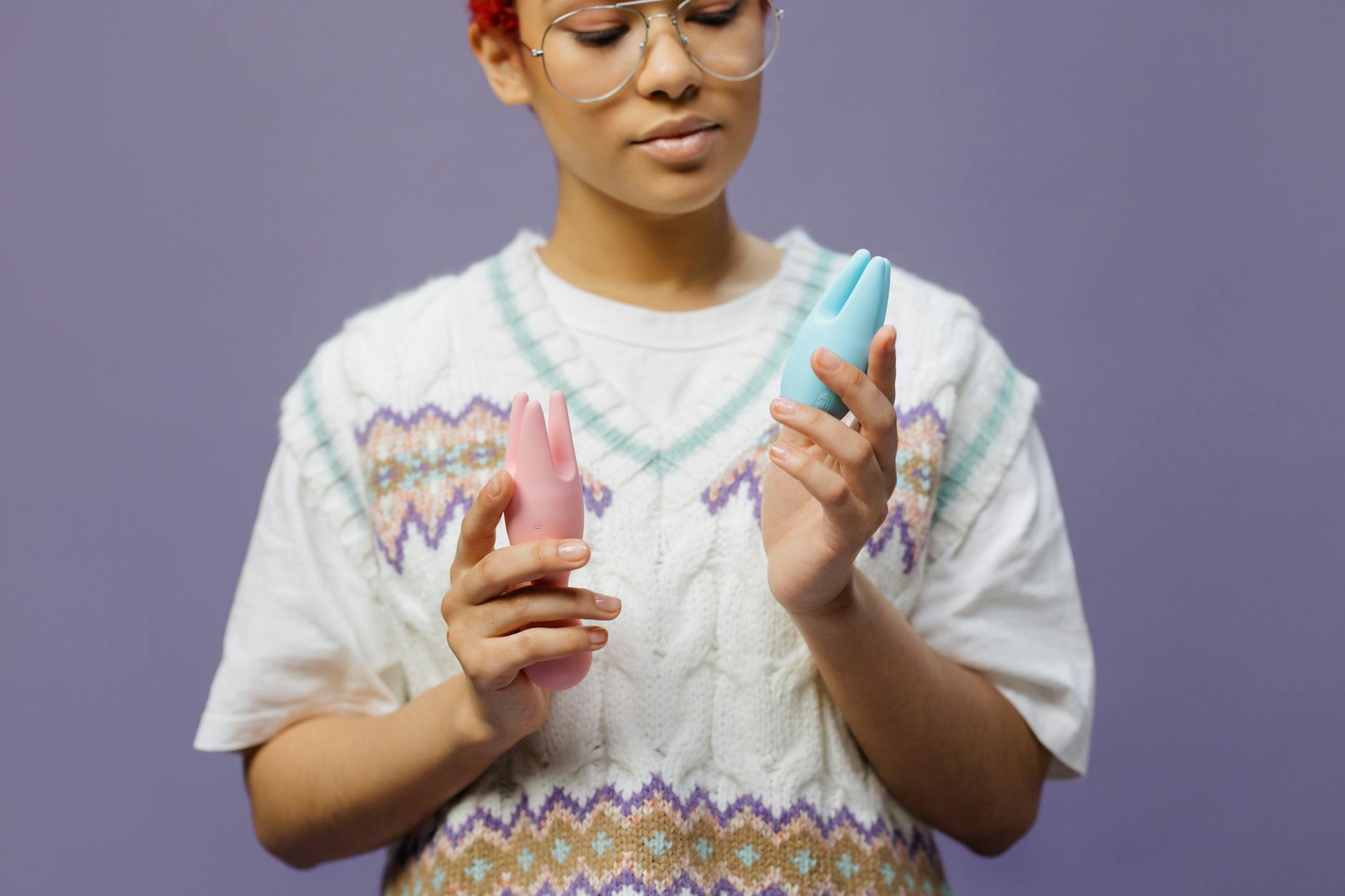
Photo by cottonbro studio on Pexels
This is how lemon vibrators repair disconnection. They're not a workaround. They're a bridge back into your own body and, from there, back into intimacy with someone else.
Timing matters more than you think
If the disconnection is coming from relationship tension, address it first. Not before you use a vibrator. But in parallel.
You can absolutely use a lemon clitoral vibrator to feel sensation again while your relationship is stressed. But if you never actually repair the rupture with your partner, the numbness will come back. Sensation is easier to access when you feel emotionally safe. So have the conversation. Apologize if you need to. Set a boundary if you need to. Then come back to the vibrator.
How to rebuild intimacy after relationship conflict has specifics on that conversation piece if you need help starting.
The nervous system role that people miss
Dissociation isn't a character flaw. It's your nervous system responding to perceived threat the way it was designed to. Which means healing isn't about willpower. It's about teaching your nervous system that pleasure is safe again.
Clitoral vibrators help with this because they're consistent, predictable, and non-demanding. There's no performance attached. You're not trying to be sexy or responsive. You're just rewiring your body to trust sensation.
If the dissociation is connected to trauma, a vibrator alone isn't therapy. A good therapist is. But a lemon vibrator can be part of your healing toolkit while you're doing that work.
What changes first
Most people notice sensation comes back before pleasure does. That's normal. You might feel the vibration but still not feel aroused. Keep going. Arousal will follow once your nervous system trusts that this is safe. It typically takes 2 to 4 weeks of regular use before people say, "Oh, I felt something." Another 2 to 4 weeks before they're back to genuine arousal.
The timeline depends on how deep the disconnection goes. Someone dealing with mild stress might reconnect in days. Someone carrying long-term relational rupture or past trauma might take months. Both are fine. You're not racing. You're just coming home to your body.
When to bring a partner into the process
Don't wait until you're 100 percent fixed. Healing is messier than that. Once you've spent a week or two reconnecting alone and you're noticing something shifting, bring your partner in. Tell them what you're doing and why. Say something like, "I've been feeling disconnected from my body. I'm working on it. I want you to be part of that."
Most partners respond well to directness. They're relieved to know there's a plan. They want to help. And knowing that you're taking steps to reconnect often shifts their emotional state too. Less rejection, more partnership.
If your partner isn't receptive, that's its own data point about the relationship. How to improve intimacy when partners have different pleasure styles goes deeper into that.
The science of reclaiming sensation
When you use a clitoral vibrator consistently, a few things happen. Your nervous system learns to recognize clitoral tissue again. The sensory pathways from your vulva to your brain get reactivated. Blood flow to the area increases with regular stimulation. Your brain literally starts rebuilding the neural connections for pleasure.
This isn't magic. It's neuroplasticity. Your brain rewires based on what you practice. If you practice being numb, you get better at that. If you practice feeling, you get better at that too. Lemon sexual toys are a practical way to practice feeling when your default has become numbness.
Real talk on timing and expectation
You won't feel ready. You'll feel weird at first. Maybe even weirder using a vibrator alone than with a partner. That's fine. Weirdness is what happens when you're doing something new with your nervous system. Stick with it. By week three, weird becomes familiar. By week six, familiar becomes normal.
Don't try to orgasm. That's pressure you don't need. Just use the lemon vibrator as a tool for sensation. Orgasm will come back naturally once your nervous system feels safe enough to let it.
FAQ: Disconnection and Intimacy
Why does dissociation happen during sex specifically? Dissociation is your nervous system's way of checking out when it feels unsafe. During sex, you're particularly vulnerable. If there's relationship stress, unresolved conflict, or past trauma, your system might protect you by going numb. It's not about the sex itself. It's about safety.
Can a vibrator fix dissociation if it's from trauma? A vibrator can help rebuild sensation, but trauma needs professional support. A therapist trained in somatic work or trauma-informed therapy is the real tool here. A vibrator is helpful, but it's not treatment. Both together work much better than either alone.
How do I know if my disconnection is from the relationship or from something else? If disconnection happens only with this partner, it's often relational. If it happens with every partner, or even when you're alone, it's usually something deeper (stress, depression, medication side effects, or past trauma). The answer changes your approach.
What if my partner thinks using a vibrator means I don't want them? That's a conversation, not a reason to skip the vibrator. Tell your partner, "I'm using this to feel more in my body so I can be more present with you." Most partners understand once you name it clearly. If they don't, that's worth examining.
Can I use a Lemon vibrator if I'm on medication that numbs sensation? Yes. Medication-related numbness is one of the most common reasons people use clitoral vibrators. The consistent stimulation from lemon sexual toys often works well even when other forms of touch feel muted. Talk to your doctor about the numbness, but don't wait to reconnect to sensation.
How long before I feel normal again? Normal is different for everyone. Some people regain baseline sensation in 4 to 6 weeks. Others take 3 to 4 months, especially if the disconnection is deep. The consistent part is: almost everyone who uses a lemon clitoral vibrator regularly reports feeling something again within 8 weeks.
The bottom line
Physical disconnection during sex feels like a personal failure. It's actually a nervous system that's protecting you the best way it knows how. Your body isn't broken. It's paused. And paused things can start again.
A lemon vibrator isn't a fix for the emotional stuff. But it's a powerful tool for waking up your nervous system while you handle the relational or psychological pieces. You deserve to feel pleasure again. You deserve to be present during intimacy. That's not selfish. It's the foundation of real connection.
If you're ready to start reconnecting, you don't need permission. You just need to set aside 10 minutes, choose a safe moment, and let a vibrator remind your nervous system what sensation feels like. Everything else builds from there.