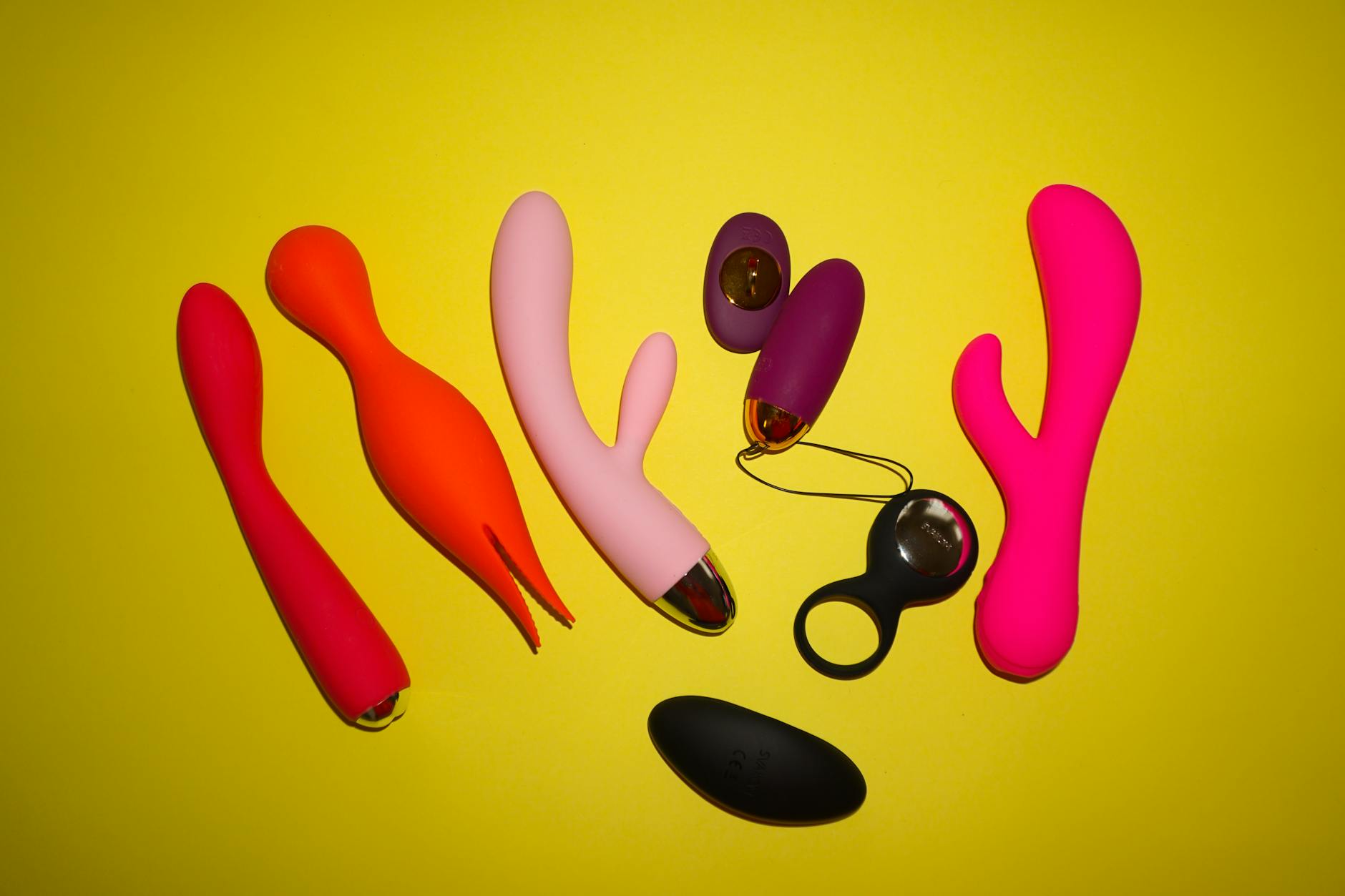
Here's what nobody tells you about sensation after 40
Your clitoris didn't actually lose its nerve endings. But something changed. Maybe you need stronger stimulation to feel anything. Maybe sensation feels duller, or takes longer to build. Maybe you're wondering if this is just how things are now. It's not.
Reduced clitoral sensation after 40 is one of those experiences that feels like a personal failure until you realize it's actually physiology. And once you understand what's happening, you can work with your body instead of against it.
Why sensation changes in your 40s and beyond
Three main culprits shift how your clitoris feels touch.
First, declining estrogen. Even if you're still menstruating or haven't entered perimenopause yet, estrogen naturally tapers in your late 30s and 40s. This hormone supports nerve sensitivity and blood flow. When it drops, less blood reaches the tissue, and nerve response slows down. The clitoris itself becomes less engorged, which means less surface area and less reactive tissue overall.
Second, collagen breakdown. Your skin and tissues lose collagen over time. This affects the clitoral hood and surrounding tissue, making the area less elastic and sometimes less responsive to light touch. It's the same reason your face needs different products at 45 than at 25.
Third, accumulated friction and stimulation. Honestly? If you've been sexually active for 20+ years, your clitoral tissue has taken a lot of direct contact. Some desensitization is normal. This isn't damage, it's just the body adapting to repeated input the same way your fingertips aren't as sensitive as your lips.
Why numbness feels different from deadness
The distinction matters because it changes what helps. Numbness usually means sensation is still there, but muted. The nerve pathways work. The tissue isn't damaged. But the signal is quieter, or the threshold for feeling anything is higher.
That's actually good news. It means you're not broken. You're just operating at a different sensitivity baseline. And tools like lemon vibrators are specifically designed for this situation.
How lemon vibrators restore sensation
Lemon sexual toys, and especially clitoral vibrators like the Lem, work differently than traditional vibrators. Instead of buzzing, they use pulsing suction patterns that create negative pressure. This pulls blood into the clitoral tissue, which does two things:
It reawakens dormant nerve endings by increasing localized blood flow. When more blood reaches an area, more oxygen arrives, and nerve sensitivity increases. This is the opposite of numbness. You're essentially waking up tissue that's been half asleep.
It stimulates a broader area of the clitoris at once. Direct vibration on numb tissue often feels like nothing. Suction stimulates the entire internal clitoral structure, including parts you can't see. For someone with reduced surface sensitivity, this broader stimulation often registers when pinpoint pressure doesn't.
Lemon clitoral vibrators also let you control intensity in a way that works with reduced sensation rather than fighting it. You start at a gentler pattern and build. This mimics the slow arousal process your body actually needs after 40, rather than demanding immediate response.
The pattern progression that actually works
If you've been using the same vibrator the same way for 10 years, your body has adapted to it. Desensitization is partly just boredom at the neurological level. Your brain has learned to filter out the input.
Start with pattern one or two on your lemon vibrator, even if it feels too gentle. Use it for 20-30 minutes without rushing. Your job isn't to chase an orgasm right now. It's to let the suction wake up dormant sensation.
Many people notice the shift happens between week one and week three. The first time you use it, you feel almost nothing. By week two, you feel something. By week three, sensation is noticeably sharper. This isn't placebo. This is blood flow and nerve activation working.
Once sensation returns to normal, you can speed up patterns or intensity. But rushing that first phase usually backfires. Your numbed tissue needs time to remember how to feel.
The role of arousal and patience in bringing sensation back
You can't force sensation. You can only create the conditions for it to return. This means taking time, which feels counterintuitive when you're trying to solve a problem.
Start in a comfortable position, ideally when you're not stressed or rushing. Your nervous system is part of sensation. A tight, distracted nervous system won't feel much no matter what you're using. Slow breath, soft music, zero expectations. This isn't about achievement.
Use lube even though it seems counterintuitive. A water-based lube helps the suction work more effectively and makes everything feel less like an obligation and more like pleasure. Your clitoris responds better to pleasure than to discipline.
If you're using this with a partner, this is a moment to be honest about what's happening. "My sensation has changed and I'm exploring how to bring it back," is a complete sentence. It's not an invitation for them to fix you or for you to perform feeling something you don't. It's just information.
When reduced sensation is connected to something else
Sometimes numbness after 40 isn't just age and estrogen. Stress, depression, relationship disconnection, unresolved trauma, or medication can all numb sensation. The good news is that lemon vibrators often work across all these variables because they're working at the physiological level, not the emotional one.
But if you've been using a lemon clitoral vibrator consistently for eight weeks and sensation still hasn't improved, talk to a doctor. You might benefit from localized estrogen cream, or there might be something else worth exploring. Numbness is solvable, but sometimes it needs more than one tool.
The permission part
A lot of women after 40 assume sensation loss means the pleasure chapter is closing. It's not. It's shifting. Your body is asking you to slow down, pay attention, and explore differently. Some of my clients report that their most intense orgasms came after learning how to work with reduced sensation rather than fighting it.
Your clitoris has years of feeling left to give. You just need to learn its new language.
People also ask
How long does it take for clitoral sensation to come back with a lemon vibrator?
Most people notice a shift within two to three weeks of consistent use, usually a few times a week. Some feel changes in the first few sessions. Others take four to six weeks. It depends on how much sensation has faded, your stress level, and how regularly you're using it. The key is consistency, not intensity.
Can reduced clitoral sensation after 40 be reversed?
Yes, usually. Because it's mostly a blood flow and nerve response issue, not permanent damage. Lemon vibrators, localized estrogen, stress reduction, and regular sexual stimulation all help restore sensitivity. It takes patience, but it's absolutely reversible for most people.
Does numbed clitoral sensation mean my orgasms will be weaker?
Not necessarily. Once sensation returns, orgasms often feel different, not worse. Many people report more intense or longer-lasting orgasms after 40 than before. The sensitivity returns differently. Trust the process.
Should I use a lemon clitoral vibrator differently if sensation is numb?
Yes. Start at lower intensity patterns, use it longer rather than harder, and be patient. Lemon vibrators work by building blood flow gradually. Pushing too hard too fast won't help. Slow, consistent stimulation is what wakes up numb tissue.
Is there a connection between reduced sensation and hormonal changes?
Absolutely. Declining estrogen is the main driver of reduced sensation after 40. This is true whether you're perimenopausal, menopausal, or just experiencing the natural decline that happens in your 40s. Your doctor can check your hormone levels if you want specific data, but reduced sensation after 40 is hormonal in nature most of the time.
Can antidepressants or other medications make clitoral sensation worse?
Yes, some medications reduce sensation as a side effect. SSRIs, blood pressure meds, and others can dampen arousal and sensitivity. If you're on medication and sensation has dropped, talk to your doctor. Sometimes switching medications or timing doses differently helps. A lemon vibrator can still work alongside medication, but knowing about the medication connection is important.
What happens next
Reduced clitoral sensation after 40 isn't the end of your pleasure. It's an invitation to understand your body differently. When you work with it instead of against it, sensation usually comes back stronger and more interesting than before.
Start with curiosity, not pressure. Give yourself permission to spend time exploring. And remember that your body is always worth listening to, at any age.
If you have questions about what's happening with your sensation or how to use pleasure tools differently, reach out. That's what we're here for.