Let's talk about the impossible math
You work until 7. They work weekends. The kids need homework help at 8. By the time you're both conscious and in the same room, it's 10:30 p.m. and you're both running on fumes. This is not a failure of desire. This is logistics.
Here's what I see in my office: couples with deeply solid relationships who haven't had sex in months because the calendar just won't cooperate. And here's what they don't realize. A Lemon vibrator isn't a workaround for missing your partner. It's a tool that actually works better when time is tight.
Why schedules kill physical connection faster than anything else
It's not the distance. It's the unpredictability. When sex requires a 90-minute window of guaranteed privacy and mutual energy, it stops happening. You stop initiating because you can't promise follow-through. Your partner stops suggesting it for the same reason. The mental load of coordination becomes bigger than the desire itself.
Then resentment creeps in. Not because you don't want each other. But because one of you feels responsible for fixing a logistical problem that isn't actually fixable. That's where the real damage happens.
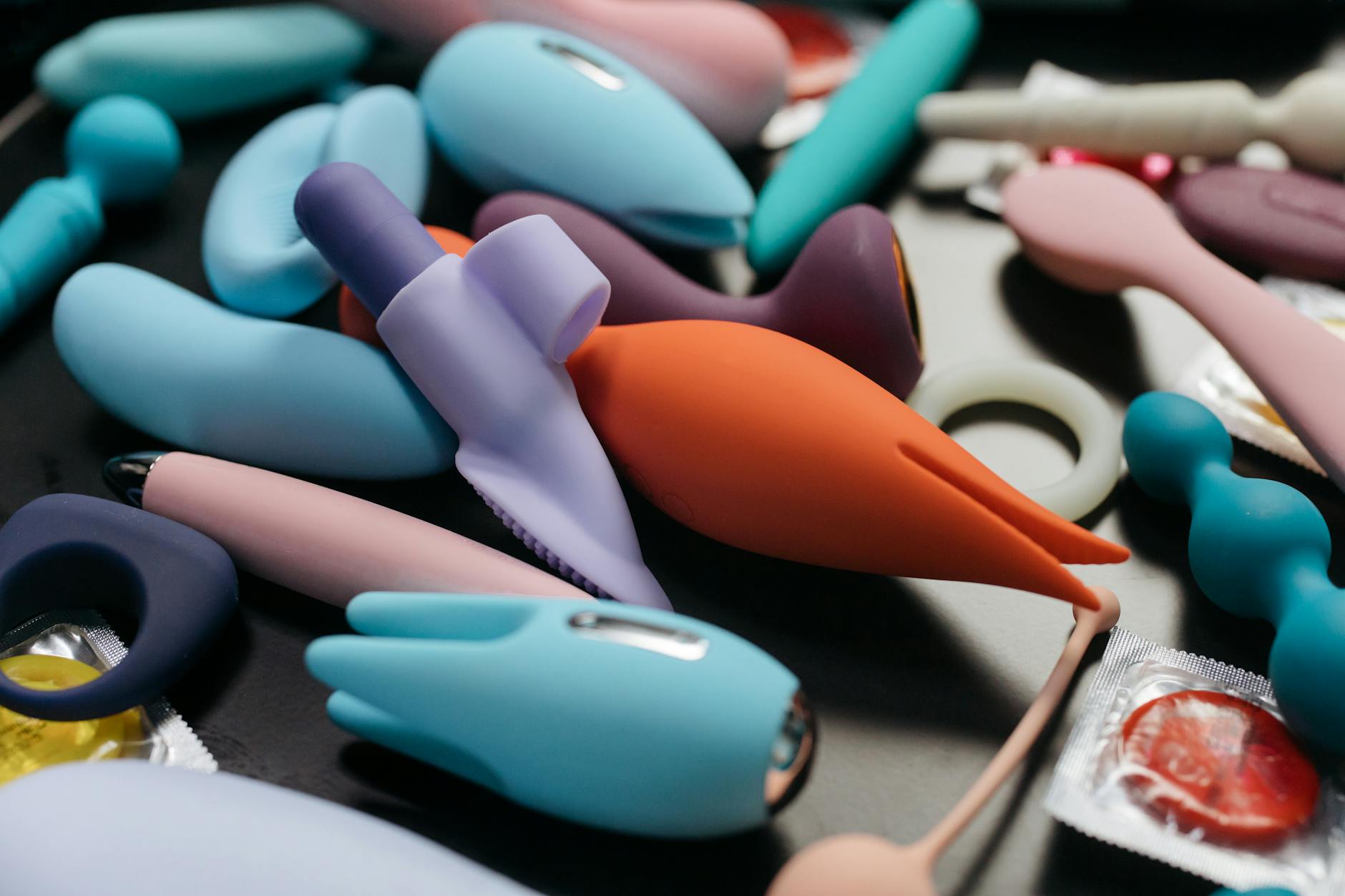
Clitoral vibrators like those from Lemon Toy change the equation entirely. Not by replacing partnered sex. But by making solo or partnered pleasure something you can do in 15 minutes instead of 90. And that's the point where reconnection becomes possible instead of theoretical.
The reframe: pleasure doesn't have to match your schedule
Most couples I work with think the solution is to "find more time." That's beautiful and impossible. The actual solution is to change what "sex together" means when you're both slammed.
Here are three ways Lemon vibrators fit into a chaotic shared life:
Quick solo touch before bed, together. You're both in bed. One of you uses a Lemon vibrator solo while your partner watches, touches your back, or talks you through it. Total time: 10 minutes. You're present with each other. You're still moving towards pleasure. Nobody's waiting around for someone else's body to cooperate.
Partnered pleasure without full sex. Your partner uses their hands and a Lemon vibrator on you while you're together. It's fast, it's focused, it feels less like a production. Most people reach orgasm in 10 to 15 minutes with proper suction or vibration. You're both engaged. No waiting for arousal to build to a point where penetration feels good.
Solo pleasure with accountability. You use a Lemon vibrator alone, but you tell your partner when it happened. You might even send them a text during your lunch break saying you're scheduling 15 minutes tonight. This sounds mechanical, but it's not. It's saying "my pleasure matters and I'm not waiting for permission or perfect timing."
How to introduce this without making it weird
The conversation matters more than the toy. Here's what I tell couples:
Don't frame it as "we need to fix our sex life." That implies something's broken. Frame it as "I miss touching you, and our schedule is making that hard. I want to try something different." That's honest. That's not accusatory.
Then be specific about what you want. "I've been reading about clitoral vibrators. What if you used one while I'm there with you? We could try it this weekend." That's clear. That's inviting.
If your partner seems resistant, it's usually not about the vibrator. It's about one of three things: they feel like you're saying they're not enough, they're worried it'll change your dynamic, or they don't know what their role is. Address those directly.
"I love having sex with you. I also want to experience more pleasure, and honestly, our schedule is getting in the way. This isn't instead of you. It's a way for us to stay connected when we don't have two hours."
That changes everything. Because suddenly the vibrator isn't a replacement. It's a bridge.
The patterns that work best when time is fragmented
If you're using a Lemon vibrator with a partner on a tight schedule, these rhythms actually work:
The 15-minute ritual. Set a specific night or morning when you both have 20 minutes. Use a vibrator for the first 10 to 15 minutes while your partner is present. Then spend 5 minutes together without the toy. This becomes a real touchpoint in your week instead of something you'll "get to eventually."
The Tuesday night quickie. Identify your least chaotic evening. Tuesday works for most couples I see. That's your window. You don't have to have sex every Tuesday. But Tuesday is on the calendar as "our time." A Lemon vibrator makes that 20 minutes feel complete instead of rushed.
The afternoon text. You're solo during the day. You use your vibrator at lunch or after a workout. You tell your partner it happened. You ask them when they had pleasure time last. This keeps your physical life visible and shared even when you're not physically together.
The foreplay ending. Instead of foreplay being 30 minutes that sometimes leads nowhere, use a vibrator for the last 5 minutes of foreplay. This works especially well if someone's arousal is slow or if you both want to move towards orgasm faster.
The conversation piece: when your partner worries you're choosing the toy over them
This comes up. And it's worth addressing directly.
Your partner isn't worried the vibrator feels better. They're worried that you don't need them anymore. That's fear talking, not logic. So don't defend the toy. Defend the relationship.
"When you watch me use this, you're still part of it. When I touch myself and tell you about it, I'm including you. This isn't me replacing you. It's me taking responsibility for my own pleasure so I don't blame you for our schedule."
Then follow through. Use the vibrator when they're present sometimes. Let them participate. Talk about it. Make it a shared thing, not a solo rebellion against your life together.
Why schedules are actually the best time to use this approach
Here's the counterintuitive part: couples with serious time pressure often benefit most from adding a vibrator to their intimate life. Not because their relationship is failing. But because they need a way to keep pleasure in the picture when time is scarce.
When sex requires perfect conditions, it becomes another task. Like the dishes or the taxes. You both put it off. Then you feel disconnected. Then resentment builds.
When pleasure can happen in 15 minutes with the right tool, it feels different. It feels possible. And couples I've worked with who embraced this shift often told me their overall intimacy improved. Not because the vibrator is magic. But because staying sexually connected stopped feeling like a luxury item they could never afford.
Your schedule probably won't change anytime soon. So change what "together" means. Let a Lemon vibrator help you do that.
People Also Ask
Can we use a Lemon vibrator if we haven't had sex in a really long time?
Yes. Actually, a vibrator often makes that easier. When you haven't been intimate in months, the pressure to have "real sex" can paralyze both of you. Using a vibrator for mutual pleasure with no expectation of penetration removes that pressure. You're reconnecting your bodies to the idea of pleasure without the performance anxiety. Start with watching or helping, not demanding anything else.
What if I'm embarrassed to use a vibrator in front of my partner?
That embarrassment usually fades after the first time. If it doesn't, go slower. You could start by using it solo while they're in the room but not watching directly. You could keep your underwear on. You could dim the lights. The goal isn't comfort on day one. It's slightly more comfortable every time. After the third or fourth time, most couples say the embarrassment is completely gone.
How do I ask my partner to use a Lemon vibrator on me without making it seem like a criticism?
Frame it as an experiment, not a fix. "I've been curious about clitoral vibrators. Would you be interested in trying one together? I'd like to see what it feels like with you involved." Notice the language. It's not "you're not getting me there fast enough." It's "I want to explore this with you." One is blaming. One is inviting.
Is using a vibrator together cheating or betraying the relationship?
No. Solo use of a vibrator isn't cheating. Using one with your partner is partnered sex, not betrayal. If your partner feels threatened by it, that's worth a conversation about what "intimacy" means to you both. But using a sexual wellness tool isn't inherently unfaithful. It's the opposite. You're investing in staying connected.
What if my partner wants to use it on themselves while I watch?
That's beautiful. Let them. Your role is to be present, to touch them if they want it, to talk to them, to watch. You're not passive. You're participating in their pleasure. This is actually one of the most intimate things couples can do.
How often should we be using a vibrator if we're short on time?
There's no rule. If you're using it twice a month and it helps you stay connected, that's enough. If you're using it twice a week, that's fine too. The goal isn't frequency. It's removing the guilt and pressure around pleasure. Use it as often as feels good. When it stops feeling good, you can change it up.
The bottom line
Your schedule isn't going to fix itself. But your physical connection doesn't have to wait for perfect conditions. When you use a Lemon vibrator thoughtfully, with your partner involved or aware, you're not circumventing your relationship. You're protecting it.
You're saying: My pleasure matters. Our connection matters. And we don't need 90 minutes and zero kids awake to prove that.
If you want to talk through how to navigate this conversation with your specific situation, reach out. I'm here to help.